Business
Starting Your Appliance Repair Business: A Practical Guide
Learn how to start and run a successful appliance repair business in the US.
 FixPilot4 min read
In this article
Understanding the Appliance Repair Business
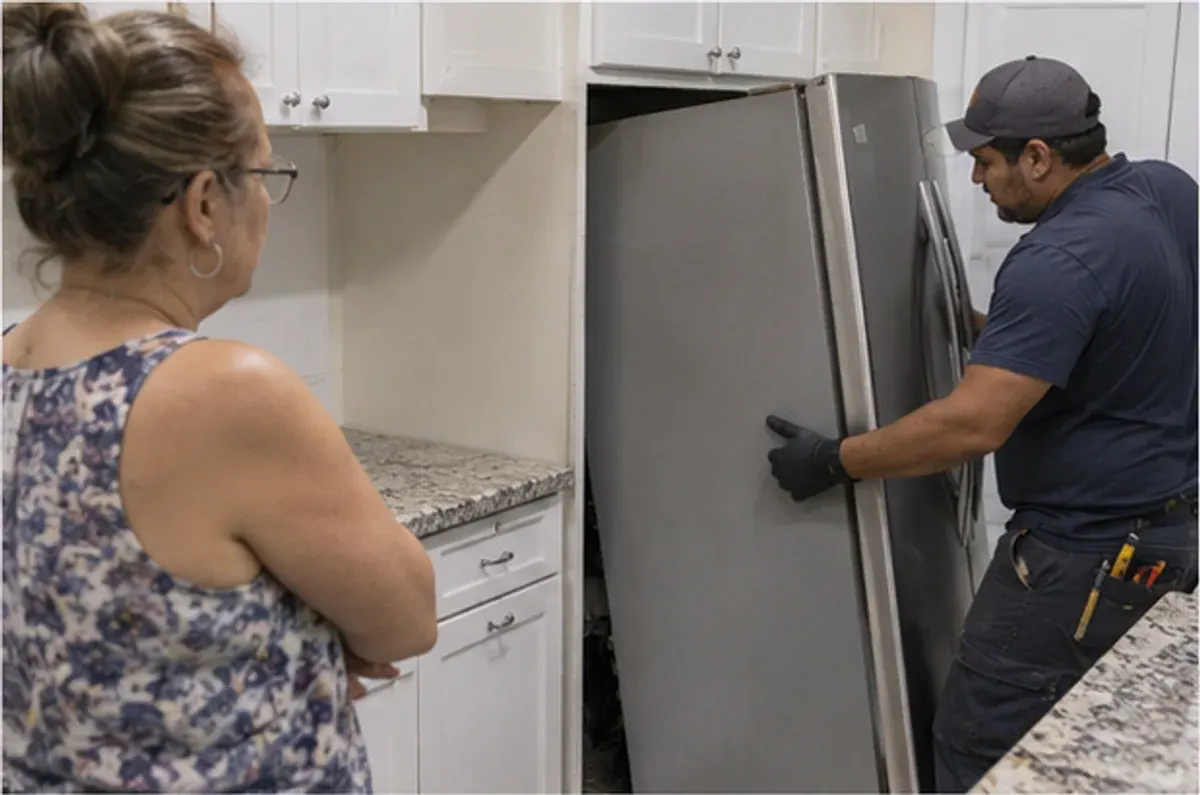
Starting an appliance repair business can be a rewarding venture. As a small-business owner, your role will be to diagnose and repair various home appliances like refrigerators, ovens, washers, and dryers. This guide will help you navigate the initial steps, understand pricing, and manage customer expectations effectively.
Initial Setup and Licensing
Before you can start repairing appliances, you'll need to take care of some legal and administrative tasks:
Business License: Apply for a business license in your city or county. This is necessary to operate legally.
Insurance: Obtain liability insurance to protect your business from potential lawsuits or claims. This helps cover costs in case of accidental damage or injuries during repairs.
Certifications: Although not always required, getting certified by organizations like the Professional Service Association (PSA) can enhance your credibility. Certifications can also give you access to manufacturer-specific repair training.
Business Structure: Decide whether you want to operate as a sole proprietor, LLC, or corporation. Each structure has its own tax implications and liability protections. For instance, an LLC offers personal liability protection, while a sole proprietorship is simpler to set up.
Setting Up Your Pricing Structure
Pricing your services correctly is crucial for profitability. Here’s a simple way to break down your pricing:
Diagnostic Fee: Charge a flat fee for diagnosing the problem. This fee should cover your travel and time spent evaluating the appliance. For instance, a typical diagnostic fee might be $75. This fee ensures that even if the customer decides not to proceed with the repair, your time and expenses are covered.
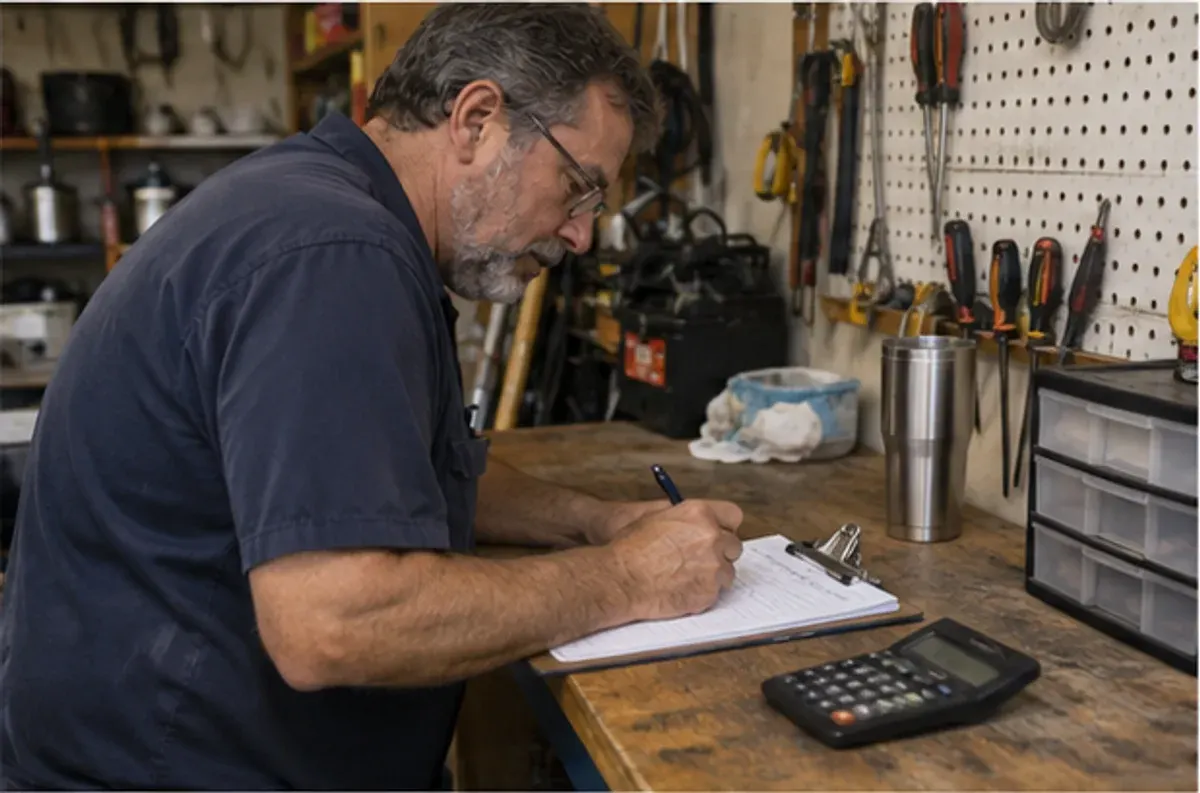
Repair Costs: Once you've diagnosed the issue, provide the customer with a clear estimate of the repair costs, including parts and labor. Always explain the fix before proceeding. For example, if a repair takes 2 hours and your labor rate is $50 per hour, the labor cost would be $100.
Parts Markup: It's common to mark up parts by 20-30% to cover handling and procurement. This markup is added to the wholesale cost of the part.
Example: If you diagnose a washing machine issue and determine it needs a $50 part and 1 hour of labor at $50/hour, your total charge would be $75 (diagnostic) + $65 (part with markup) + $50 (labor) = $190.
Tools and Equipment
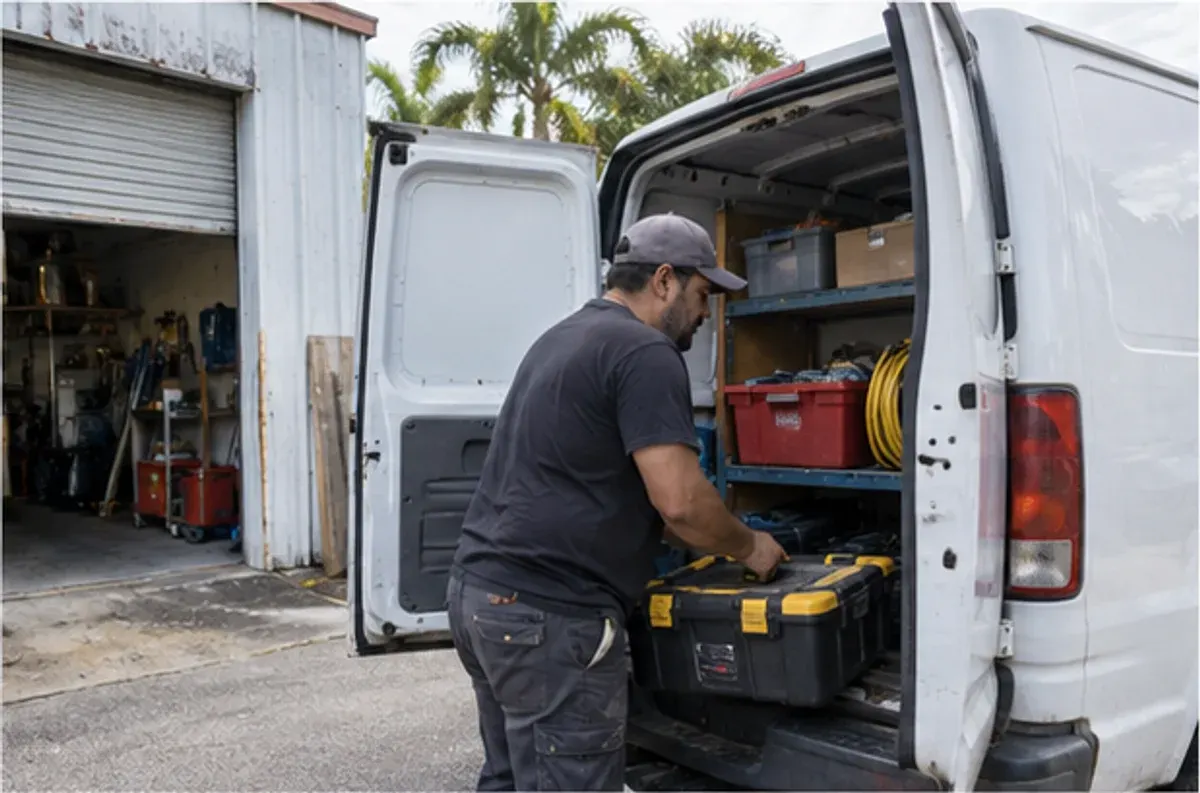
Invest in quality tools to ensure you can handle most repairs efficiently. Here’s a basic list:
- Multimeter for electrical testing
- Screwdriver set for various screw types
- Wrench set for loosening and tightening bolts
- Pliers for gripping and cutting
- Cordless drill for quick disassembly and assembly
- Appliance dolly for safely moving heavy items
Having reliable tools helps you complete jobs efficiently and professionally, which can lead to repeat business.
Marketing Your Business
To attract customers, you need a solid marketing strategy:
Local SEO: Optimize your online presence to appear in local search results. This includes setting up and maintaining a Google My Business profile. Ensure your business details, such as address and phone number, are accurate and consistent across all platforms.
Referrals: Encourage satisfied customers to refer friends and family. Offer discounts or incentives for successful referrals. For example, provide a $10 discount on their next service for each new customer they refer.
Online Reviews: Ask customers to leave reviews on Google or Yelp. Positive reviews can significantly impact your business. You can say, "If you were happy with our service, we'd appreciate a review on Google. It helps others find us."
Managing Customer Expectations
Clear communication is key to satisfied customers:
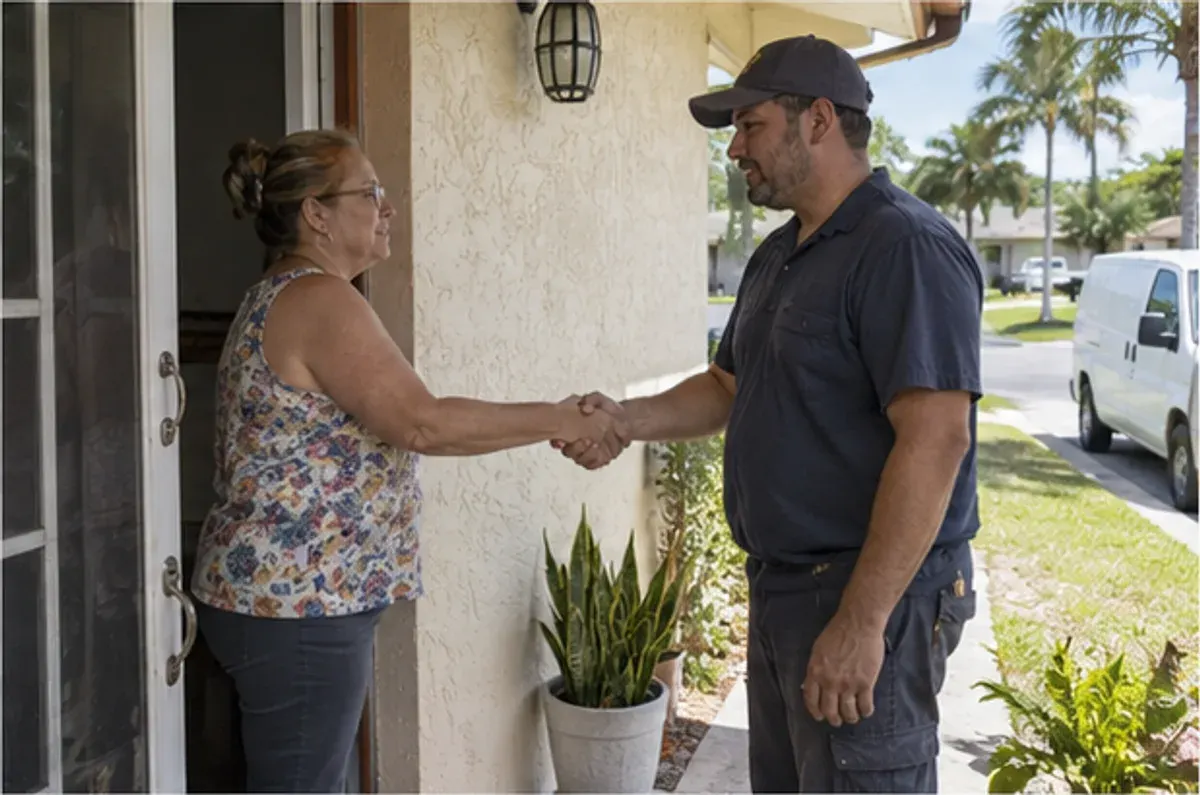
Explain the Diagnostic Fee: Before starting any work, inform the customer about the diagnostic fee and how it applies to the overall cost. You might say, "Our diagnostic fee is $75, which covers our travel and time to assess your appliance. If you choose to proceed with the repair, this fee will be included in the total cost."
Provide Estimates: After diagnosing, give a detailed estimate. Explain the repair process and get approval before starting the work. For example, "The total cost for the repair will be $190, which includes the diagnostic fee, parts, and labor. Do I have your approval to proceed?"
Follow Up: After completing the repair, follow up with the customer to ensure everything is working correctly. A simple call or email saying, "Just checking in to make sure your appliance is running smoothly since our last visit," can go a long way.
Final Tips
Stay Updated: Appliance technology evolves, so stay informed about new products and repair techniques. Attend workshops or online courses to keep your skills sharp.
Build Relationships: Establish good relationships with parts suppliers to ensure you can get parts quickly and at a good price. This can also lead to discounts or faster shipping times.
Time Management: Schedule your appointments wisely to maximize your productivity and minimize travel time. Use scheduling software to help manage your calendar efficiently.
Streamlining Operations
Consider using software tools to streamline your operations. Features like an instant price calculator and online booking can help manage your appointments more efficiently. Customers can book and pay deposits online, receive reminders, and even request Google reviews via text. This can save you time and improve customer satisfaction.
Frequently asked questions
What is a typical diagnostic fee for appliance repair?
A typical diagnostic fee is around $75, covering travel and time spent evaluating the appliance.
How can I get more appliance repair customers?
Use local SEO, encourage referrals, and ask for online reviews to attract more customers.